


MOSQUITO SURVEY PLACES IRISAN AGAIN AMONG BAGUIO'S HIGH RISK DENGUE AREA
- Curt Villanueva

- May 16
- 2 min read
A silent threat may once again be spreading across Barangay Irisan—not through crowded streets or public gatherings, but through stagnant water hidden in homes and communities.
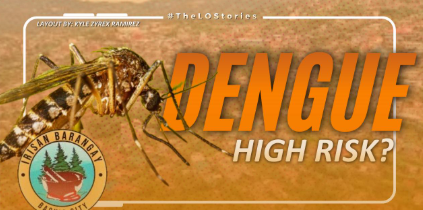
Following a recent mosquito larvae survey conducted by the City Health Services Office (CHSO), Irisan was again identified as a high-risk area for dengue fever, prompting health officials to intensify warnings and preventive campaigns before cases escalate.
Health workers inspected 100 households in Barangay Irisan and collected water samples from containers where mosquito larvae were found. The entomological study revealed an increase in larvae associated with dengue-carrying mosquitoes, placing renewed focus on the barangay, which has consistently topped Baguio City’s dengue monitoring list in recent years.
Known as the city’s most populous barangay with around 37,000 residents, Irisan has repeatedly been identified as vulnerable to dengue outbreaks due to recurring mosquito breeding conditions and dense residential areas.
According to City Health Officer Celia Flor Brillantes, the findings should serve as an urgent wake-up call for both residents and barangay officials to strengthen anti-dengue efforts immediately.
“This is an early warning sign for Irisan to take aggressive action as early as now even if we have already advised barangays to conduct clean-up drives since January,” Brillantes said.
She explained that dengue fever previously followed a three-year outbreak cycle, but recent trends show cases emerging more frequently, with outbreaks now occurring approximately every two years.
Aside from Irisan, other barangays included in Baguio City’s top dengue risk list are also set to undergo entomological mosquito larval studies to help authorities determine risk levels and implement targeted interventions.
The city’s intensified dengue prevention efforts are supported under Republic Act No. 11332, or the “Mandatory Reporting of Notifiable Diseases and Health Events of Public Health Concern Act,” which strengthens public health surveillance, disease prevention, and emergency response systems nationwide. Local government units are likewise mandated to implement environmental sanitation and community health protection programs to prevent the spread of communicable diseases.
To address the growing threat, the CHSO is urging residents to strengthen participation in the “Oplan Taob” campaign by conducting daily clean-up drives instead of limiting activities to the previous Thursday-only schedule.
Authorities emphasized the importance of removing stagnant water from containers, clearing clogged drainage systems, covering water storage units, and maintaining proper sanitation practices to eliminate mosquito breeding grounds within communities.
Brillantes warned that while rainfall may wash away old mosquito breeding sites, intermittent rains can also create new stagnant water areas where mosquitoes rapidly reproduce.
“While rainfall can wash away old mosquito breeding sites, it can also create new stagnant water areas where mosquitoes may breed,” she said.
With the rainy season approaching, health officials expect barangays, schools, and households to strengthen coordination and community participation in dengue prevention programs. Authorities hope that early intervention, sustained clean-up efforts, and increased public awareness will help prevent a possible surge in dengue cases in Irisan and other high-risk areas across Baguio City.


Comments